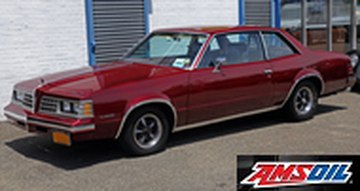
Lubrication Maintenance for the 1981 Pontiac LEMANS 4.9L
Maintaining a vehicle from the early 1980s requires a focus on consistent monitoring and proactive care. For owners of the 1981 Pontiac LEMANS equipped with the 4.9L engine, regular lubrication service is a fundamental aspect of preserving mechanical integrity. Because older engines often operate under different thermal and friction profiles than modern counterparts, understanding how to monitor fluid health and component condition is essential for long-term operation.
Monitoring Fluid Integrity and Potential Leaks
One of the most effective ways to assess the health of a 4.9L engine is through regular visual inspections of the surrounding components. Over time, various seals and gaskets may experience changes in elasticity due to heat cycles and age. It is useful to inspect the area around the engine for any signs of fluid seepage or active leakage. Identifying these signs early can prevent more significant issues down the road.
When performing a routine check, look for:
- Dampness or staining on the underside of the engine block or oil pan area.
- Evidence of residue around various sealing surfaces.
- Any pooling of fluids on the ground beneath where the vehicle is parked.
If you notice changes in how much lubricant the engine seems to use between service intervals, this warrants closer investigation. While some consumption can occur as engines age, a sudden increase or visible signs of leakage should be addressed promptly. Always remember that many different factors can cause fluid loss, so observing these symptoms is a starting point for further diagnosis rather than a definitive conclusion of a specific part failure.
Managing Engine Lubrication Health
The engine oil in the 1981 Pontiac LEMANS serves several vital roles beyond simple lubrication. It helps manage heat within the engine and assists in cleaning internal components by carrying away microscopic debris. As oil undergoes repeated heating and cooling, its chemical properties can change, which may lead to the buildup of deposits or sludge if the fluid is not changed according to a consistent schedule.
Maintaining clean oil is critical for preventing the accumulation of contaminants that can interfere with smooth mechanical operation. If you observe any changes in the appearance or smell of the lubricant—such as an unusual odor or a significantly darkened color that does not align with recent use—it may indicate that the fluid has been subjected to extreme conditions or has reached the end of its effective service life. Keeping the lubrication system clean helps ensure that the engine continues to operate with minimal internal friction.
Practical Inspection of Engine Accessories
Beyond the oil itself, a comprehensive maintenance approach for this vehicle includes inspecting the various components that support engine operation. If equipped, accessible drive belts should be examined during every service. Look for signs of wear such as cracking, glazing (a shiny appearance), or fraying along the edges. Similarly, if the vehicle is equipped with various rubber hoses, check them for signs of hardening, swelling, or surface deterioration.
Electrical connections and wiring harnesses should also be inspected for any signs of corrosion or damage to the insulation. Ensuring that electrical components are secure and clean helps prevent intermittent issues that can complicate engine performance. By combining fluid monitoring with these physical inspections, an owner can develop a much clearer picture of the vehicle's overall mechanical state.
Establishing a Maintenance Baseline
For many owners of a 1981 Pontiac LEMANS, the service history may not be fully documented. In such cases, the first priority is to establish a maintenance baseline. This involves performing a thorough inspection of all fluids and major engine components to determine their current condition. Once you have identified the current state of the belts, hoses, seals, and lubricants, you can begin to track changes over time.
Keeping detailed records of every oil change, filter replacement, and observed repair is one of the most valuable tools for long-term ownership. Documenting not just what was fixed, but also what was observed during inspections (such as "slight seepage noted at the pan"), allows you to identify patterns. This data makes it much easier to distinguish between normal aging and a developing issue that requires immediate attention.
Prioritizing Service Tasks Based on Condition
As a vehicle ages, maintenance needs may shift from routine preventive tasks to more specific corrective actions. Rather than following a rigid schedule based solely on the age of the car, it is often more effective to prioritize tasks based on the actual condition of the components. For example, an engine that shows no signs of leakage or fluid consumption may require only standard interval services, whereas an engine showing signs of seepage should have those areas prioritized for inspection.
When deciding where to focus your maintenance efforts, consider these steps:
- Address any active leaks or visible warning signs first.
- Review existing service records to identify any overdue maintenance tasks.
- Monitor fluid levels and consumption rates closely if the vehicle has high mileage.
- Distinguish between components that are simply aging and those that show functional deterioration.
This condition-based approach ensures that resources are directed toward the areas of the engine that need attention most, rather than replacing parts that are still performing reliably.
Buying Engine Oil for your 1981 Pontiac LEMANS 4.9L
When it is time to replenish the lubricant in your 1981 Pontiac LEMANS 4.9L, it is essential to select a product that aligns with the specific requirements of your engine. To ensure proper protection and performance, match the engine oil to the application-specific viscosity information already displayed on this webpage.
When shopping for products, pay close attention to the labels. While modern oil formulations offer various benefits—such as synthetic blends or high-mileage oils containing seal-conditioning additives—you should choose the type that best fits your specific maintenance needs and the current condition of your engine. Always verify that the oil meets the appropriate API certification listed on the container to ensure it provides the necessary level of protection for an engine of this era. Avoid making assumptions based solely on the age of the vehicle; instead, rely on the technical specifications provided in the application information above to make an informed purchase.